tylenol contains
Tylenol Contains: Ingredient Facts and Safe Limits
What Tylenol Contains: The Active Ingredient
Acetaminophen (also known as paracetamol internationally) serves as the sole active pharmaceutical ingredient in all Tylenol products. The standard adult dose contains 325mg to 500mg of acetaminophen per tablet or capsule. According to guidelines from the U.S. Food and Drug Administration (FDA), acetaminophen works by inhibiting cyclooxygenase (COX) enzymes in the central nervous system. This mechanism reduces the production of prostaglandins, chemical messengers that trigger pain signals and fever responses. Unlike NSAIDs such as ibuprofen or aspirin, acetaminophen has minimal anti-inflammatory properties. This makes it gentler on the stomach lining but less effective for conditions involving significant inflammation.How Tylenol Contains Different Strengths Across Products
Tylenol formulations vary based on intended use and patient age. Here’s a breakdown of common dosage forms:| Product Type | Acetaminophen Content | Typical Use |
|---|---|---|
| Regular Strength Tablets | 325mg per tablet | Mild to moderate pain relief |
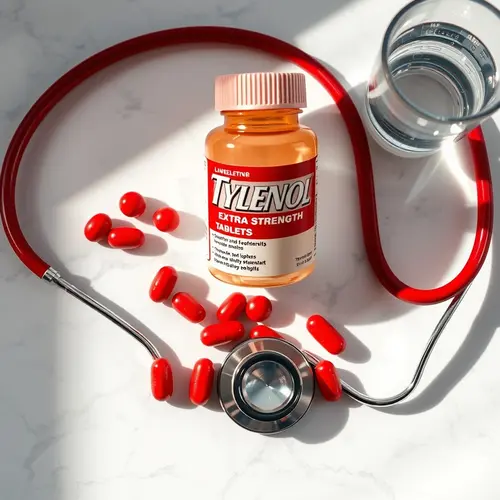
| Extra Strength Tablets | 500mg per tablet | Moderate to severe pain relief |
| Children’s Liquid Suspension | 160mg per 5mL | Pediatric fever and pain management |
| Infant’s Oral Suspension | 160mg per 5mL (concentrated) | Infants and toddlers |
| Arthritis Pain Extended-Release | 650mg per caplet | Long-lasting joint pain relief |
Inactive Ingredients: What Else Tylenol Contains
Beyond acetaminophen, Tylenol formulations include several inactive ingredients that serve specific pharmaceutical purposes. These excipients help with tablet formation, stability, absorption, and shelf life.Common Inactive Components
Standard Tylenol tablets typically include:- Pregelatinized starch: Acts as a binding agent to hold tablet components together and facilitates rapid disintegration in the digestive system
- Powdered cellulose: Provides bulk and structure to tablets while improving flow during manufacturing
- Sodium starch glycolate: Functions as a disintegrant, allowing tablets to break apart quickly when exposed to moisture
- Magnesium stearate: Serves as a lubricant preventing ingredients from sticking to manufacturing equipment
- Polyethylene glycol: Creates a smooth coating that makes tablets easier to swallow
- Carnauba wax: Adds a glossy finish and protective barrier to coated tablets
- FD&C colorants: Provides distinctive colors for product identification (varies by strength)
Allergen Considerations
While Tylenol contains minimal allergens, individuals with specific sensitivities should note that some formulations may contain corn-derived ingredients. Standard Tylenol products are gluten-free and do not contain lactose, though it’s essential to check specific product labels as formulations can vary by line.Understanding Maximum Safe Dosage
The FDA recommends adults not exceed 4,000mg of acetaminophen per day from all sources combined. However, many hepatologists suggest a safer maximum of 3,000mg daily to reduce liver stress. This distinction matters significantly. Acetaminophen overdose remains one of the leading causes of acute liver failure in the United States, as documented by the American Association for the Study of Liver Diseases.Hidden Sources of Acetaminophen
A critical safety concern involves combination medications. Many prescription pain relievers, cold remedies, and sleep aids also contain acetaminophen. Products like Percocet, Vicodin, NyQuil, and Excedrin all include this ingredient. Before taking Tylenol, review all medications you’re currently using. Accidentally doubling up can push you past safe thresholds without realizing it.Tylenol in Specialized Formulations and Strengths
Johnson & Johnson manufactures several specialized Tylenol variations beyond standard pain relief tablets:Tylenol PM
This nighttime formula combines 500mg acetaminophen with 25mg diphenhydramine hydrochloride, an antihistamine that causes drowsiness. The dual-action approach addresses both pain and sleeplessness.Tylenol Cold and Flu
Multi-symptom formulations add ingredients like dextromethorphan (cough suppressant), phenylephrine (decongestant), and guaifenesin (expectorant) alongside acetaminophen. Always read labels carefully to understand the complete ingredient profile.Tylenol Arthritis Pain
This extended-release formulation contains 650mg acetaminophen in a bi-layer tablet designed to release medication over eight hours. The technology provides sustained pain relief without requiring frequent redosing.Drug Interactions and Safety Warnings
While Tylenol contains relatively few ingredients compared to combination medications, important interactions exist:- Alcohol: Chronic or heavy alcohol consumption significantly increases liver toxicity risk when combined with acetaminophen
- Warfarin: Regular acetaminophen use may enhance anticoagulant effects, requiring closer INR monitoring
- Isoniazid: This tuberculosis medication increases acetaminophen’s hepatotoxic potential
- Carbamazepine and phenytoin: These anticonvulsants may reduce acetaminophen effectiveness while increasing liver enzyme activity
Expert Perspective: The Dosing Misconception
A common myth suggests that because Tylenol is available over-the-counter, it’s inherently safer than prescription medications. This assumption proves dangerous. From a clinical pharmacology standpoint, acetaminophen has an exceptionally narrow therapeutic window. The difference between an effective dose and a toxic dose is smaller than many people realize. A person taking the maximum recommended dose who adds just one or two extra tablets could approach dangerous territory. The antidote for acetaminophen overdose, N-acetylcysteine (NAC), works most effectively when administered within eight hours of ingestion. Delayed treatment significantly worsens outcomes. This time-sensitive nature makes early recognition of overdose symptoms critical.Storage and Expiration Guidelines
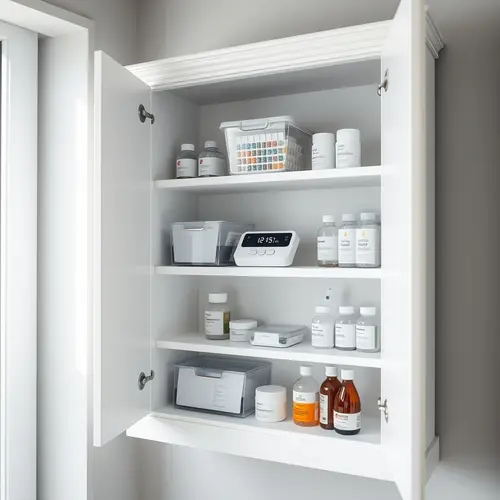
Proper storage ensures that Tylenol contains its full potency and remains safe for use. Store tablets and capsules at room temperature between 68°F and 77°F, away from moisture and direct sunlight. Bathroom medicine cabinets, despite their convenience, create problematic storage environments due to humidity fluctuations from showers and baths. A bedroom drawer or kitchen cabinet away from the stove provides better conditions. Expired acetaminophen typically doesn’t become dangerous, but potency degrades over time. Using expired medication may result in inadequate pain relief or fever reduction.Pediatric Formulations and Dosing Accuracy
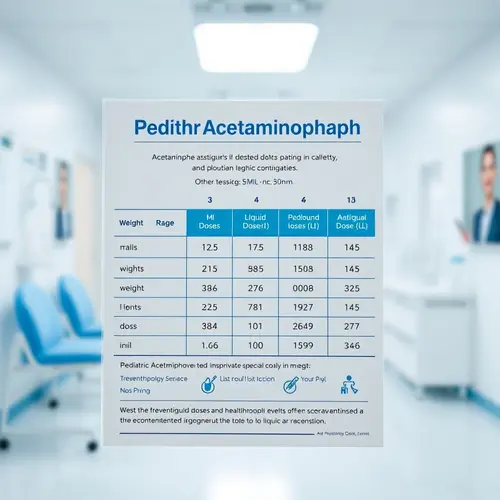
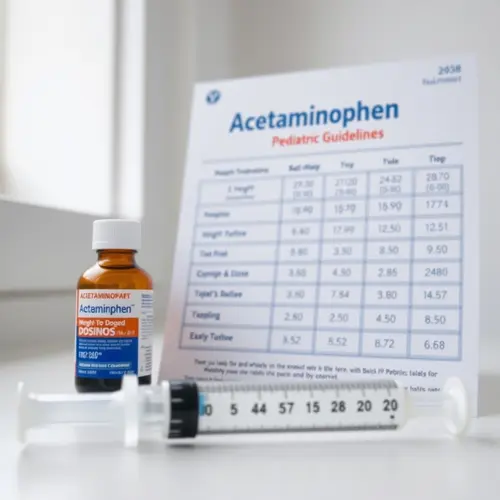
Children’s Tylenol formulations require precise dosing based on weight rather than age alone. The concentration shift from infant drops to children’s suspension some years ago aimed to reduce dosing errors, but confusion still occurs. Always use the measuring device provided with liquid medications. Household spoons vary significantly in volume and lead to under- or overdosing. Oral syringes marked in milliliters provide the most accurate measurements.Weight-Based Dosing Chart
For children, acetaminophen dosing follows this general guideline: 10-15mg per kilogram of body weight every 4-6 hours as needed, not exceeding five doses in 24 hours. However, always consult product-specific instructions and verify appropriate dosing with a pediatrician.Manufacturing Standards and Quality Control
Tylenol production follows Current Good Manufacturing Practices (cGMP) enforced by the FDA. These regulations govern everything from raw material sourcing to final product testing. Each batch undergoes multiple quality checks including identity testing (confirming acetaminophen presence), potency assays (verifying correct dosage), dissolution testing (ensuring proper breakdown in the body), and contamination screening. This rigorous process helps maintain consistency across millions of tablets produced, though occasional recalls do occur when quality issues are detected.Environmental and Disposal Considerations
Improper disposal of medications contributes to environmental contamination and accidental poisonings. Never flush Tylenol contains or other medications down toilets unless specific disposal instructions indicate otherwise. The FDA recommends using drug take-back programs when available. Many pharmacies and law enforcement agencies host collection events. If no take-back option exists, mix tablets with an unpalatable substance like coffee grounds or cat litter, seal in a container, and dispose in household trash.Final Thoughts on Safe Tylenol Use
Understanding exactly what Tylenol contains empowers you to use this medication safely and effectively. Acetaminophen remains one of the most trusted pain relievers available when used appropriately, with decades of clinical evidence supporting its efficacy and safety profile. The key lies in respecting dosage limits, checking all medications for hidden acetaminophen, avoiding alcohol during treatment, and consulting healthcare providers when questions arise. Review what Tylenol contains on every label before combining products. By following these principles, you can benefit from Tylenol’s pain-relieving properties while minimizing risks to your liver and overall health.
Related: pediatric acetaminophen dosing chart.
See also: basic dosage calculations guide. medicine cabinet safety guide.
Source: DailyMed acetaminophen label.
Safety reminder: tylenol contains acetaminophen in every tablet, so track total intake. Because tylenol contains the same active ingredient across products, avoid doubling cold remedies.
Further reading on this site:
- proven medication labels practice
- how chemist labels help you safer
- medical chart label for safer treatment
- the ultimate medication administration
- why off label depression medication treatment
- proven off label anxiety medication options
- how to read prescription label for safety
- medications for depression emotional balance
- type of medication insights
What does Tylenol contain?
Tylenol contains acetaminophen as the active pain reliever plus inactive binders and coatings that aid stability and absorption.
What is the maximum safe daily dose?
Most adults should not exceed 3000 to 4000 mg per day from all sources. Check labels carefully to avoid duplicate dosing.
When should you avoid Tylenol?
Avoid extra doses with liver disease, heavy alcohol use, or duplicate acetaminophen products. Ask a clinician if unsure.