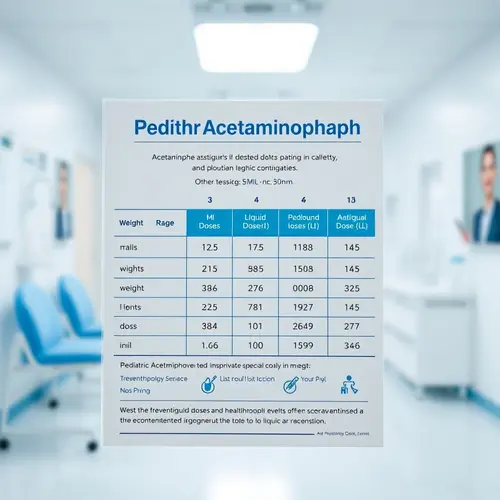
pediatric acetaminophen dosing chart
Pediatric Acetaminophen Dosing Chart: Safe Parent Guide
A pediatric acetaminophen dosing chart provides the precise weight-based guidelines parents need to safely administer this common over-the-counter pain reliever and fever reducer to infants and children.
Acetaminophen remains one of the most widely used medications for pediatric fever and pain management. However, incorrect dosing poses serious risks, from ineffective symptom relief to potential liver toxicity.
Understanding the Pediatric Acetaminophen Dosing Chart Basics
Weight-based dosing is the gold standard for pediatric medications. According to guidelines from the American Academy of Pediatrics, acetaminophen should be administered at 10-15 mg per kilogram of body weight every 4-6 hours, with a maximum of five doses in 24 hours. Age-based dosing on packaging labels often leads to confusion. Your child’s actual weight provides far more accurate dosing parameters than age ranges printed on bottles.Key Components of an Accurate Pediatric Acetaminophen Dosing Chart
Professional pediatric acetaminophen dosing charts include several critical elements:- Weight ranges in both pounds and kilograms
- Corresponding doses in milliliters (mL) for liquid formulations
- Concentration specifications (typically 160 mg/5 mL for children’s formulations)
- Maximum daily dose limits
- Minimum time intervals between doses
Standard Dosing Table by Weight
| Weight (lbs) | Weight (kg) | Dose (160 mg/5 mL) | Dose (mg) |
|---|---|---|---|
| 6-11 lbs | 2.7-5 kg | Consult physician | 40 mg |
| 12-17 lbs | 5.5-7.9 kg | 2.5 mL | 80 mg |
| 18-23 lbs | 8-10.5 kg | 3.75 mL | 120 mg |
| 24-35 lbs | 10.9-15.9 kg | 5 mL | 160 mg |
| 36-47 lbs | 16-21.4 kg | 7.5 mL | 240 mg |
| 48-59 lbs | 21.8-26.8 kg | 10 mL | 320 mg |
| 60-71 lbs | 27.3-32.3 kg | 12.5 mL | 400 mg |
| 72-95 lbs | 32.7-43.2 kg | 15 mL | 480 mg |
Critical Safety Considerations When Using a Pediatric Acetaminophen Dosing Chart
Many parents unknowingly double-dose their children. Acetaminophen appears in numerous combination cold and flu medications, making accidental overdose a genuine concern. Always check active ingredients on every medication label. If your child takes a multi-symptom cold medicine containing acetaminophen, do not administer additional standalone acetaminophen without accounting for the combined total.Concentration Confusion: The Hidden Danger
Infant acetaminophen drops were previously concentrated at 80 mg per 0.8 mL, while children’s liquid was 160 mg per 5 mL. This concentration difference caused numerous dosing errors and poisonings. The FDA mandated a single concentration standard of 160 mg per 5 mL for all liquid pediatric acetaminophen products. However, older concentrated formulations may still exist in medicine cabinets. Verify the concentration on your bottle before consulting any pediatric acetaminophen dosing chart. Using an outdated chart with a different concentration could result in underdosing or dangerous overdosing.When to Consult Your Pediatrician Before Using a this topic
Certain situations require professional medical guidance rather than relying solely on standard dosing charts:- Infants under three months old
- Children with pre-existing liver conditions
- Concurrent use of other medications metabolized by the liver
- Fever persisting beyond three days
- Fever exceeding 104°F (40°C)
- Signs of dehydration or lethargy accompanying fever
Expert Insight: The Weight Verification Protocol
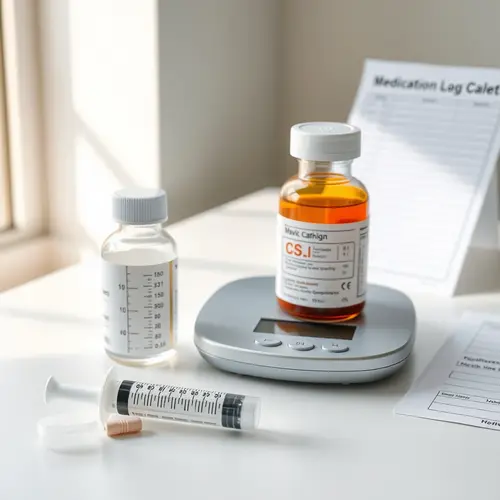
Most dosing errors stem from outdated weight estimates. Children grow rapidly, and the weight you remember from their last doctor’s visit may be significantly different. Maintain a home scale and weigh your child quarterly. Record these weights in a dedicated health log. This simple practice eliminates guesswork when you need to reference a pediatric acetaminophen dosing chart during illness.Debunking the “Maximum Strength” Myth
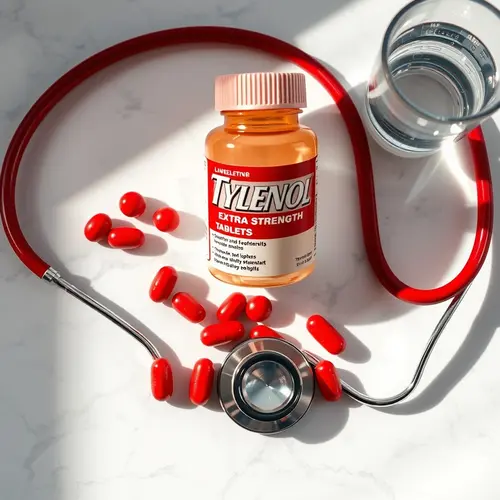
Marketing terms like “extra strength” on pediatric formulations can mislead caregivers. The concentration remains the same across brands following FDA standardization. What varies is flavoring, inactive ingredients, and price points. Generic store-brand acetaminophen contains identical active ingredients to name brands at a fraction of the cost.Proper Measurement Tools Matter
Kitchen spoons provide inconsistent measurements. Teaspoons vary from 3 mL to 7 mL depending on the specific utensil. Use only the dosing syringe or cup provided with the medication. These calibrated devices ensure accuracy when following a pediatric acetaminophen dosing chart. If you lose the original measuring device, pharmacies provide replacements at no cost.Practical Troubleshooting Scenario
Consider this common situation: Your 28-pound toddler has a 102°F fever at bedtime. You have children’s acetaminophen liquid (160 mg/5 mL) but threw away the dosing syringe. Using the chart, you determine the correct dose is 5 mL (160 mg). Rather than estimating with a kitchen spoon, you drive to a 24-hour pharmacy for a proper oral syringe. This 10-minute trip ensures safe, effective dosing and prevents potential under-treatment or overdose.Maximum Daily Limits and Timing Intervals
The maximum safe daily dose is 75 mg per kilogram of body weight, not to exceed 4,000 mg total for adolescents and 3,000 mg for younger children. Space doses at least four hours apart. Setting phone alarms prevents accidental early re-dosing when managing a sick child disrupts normal routines. Document each dose time and amount. This record prevents double-dosing when multiple caregivers are involved and provides valuable information if you need to contact your pediatrician.Storage and Expiration Considerations
Acetaminophen degrades over time, reducing effectiveness. The expiration date reflects guaranteed potency, not sudden transformation into a harmful substance. Store liquid formulations at room temperature away from direct sunlight. Bathroom medicine cabinets experience temperature and humidity fluctuations that accelerate medication breakdown. A dedicated medication box in a climate-controlled bedroom closet extends shelf life and keeps dosing charts, syringes, and medications organized together.Acetaminophen Versus Ibuprofen: Understanding the Differences
While both reduce fever and pain, acetaminophen and ibuprofen have distinct properties. Acetaminophen processes through the liver, while ibuprofen affects the kidneys and stomach lining. Some pediatricians recommend alternating these medications for high fevers unresponsive to a single agent. However, this strategy requires precise tracking to avoid confusion and accidental overdose of either medication. If considering alternating medications, work directly with your healthcare provider to establish a clear dosing schedule rather than improvising.Final Guidance on Using a this topic
Safe medication administration protects your child’s health and provides effective symptom relief. A reliable pediatric acetaminophen dosing chart based on current weight, used with proper measuring tools and careful documentation, eliminates dosing uncertainty. Print a chart and attach it to your medicine storage area. When illness strikes, you’ll have immediate access to accurate dosing information without searching online or calling the pediatrician’s after-hours line for routine questions. Remember that fever serves a purpose in fighting infection. Acetaminophen reduces discomfort but does not cure underlying illness. If your child remains lethargic despite appropriate fever management, seek medical evaluation promptly.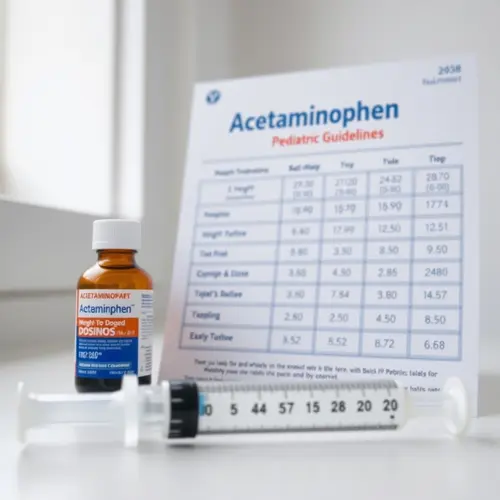
Related: child medicine safety rules.
Source: MedlinePlus acetaminophen guide.
Reminder: pediatric acetaminophen dosing chart accuracy depends on current weight. Recheck the pediatric acetaminophen dosing chart before every illness episode.
How do you use a pediatric acetaminophen dosing chart?
Match weight in pounds or kilograms to the listed dose. Use an oral syringe and repeat only per interval.
How often can you repeat the dose?
Usually every 4 to 6 hours, up to 5 doses in 24 hours. Stop and call your pediatrician if fever persists.
When should you call the doctor?
Call for infants under 12 weeks with fever, dehydration signs, or any overdose concern right away.