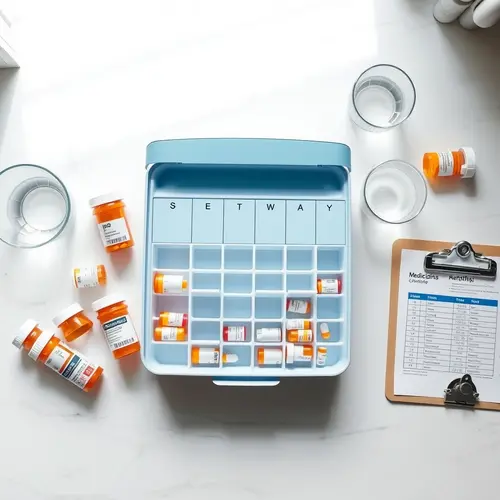
Among the many pathways toward stability and healing, medications for depression have become an essential part of modern mental health care. Not as a shortcut. Not as a cure-all. But as a structured, research-supported tool that helps rebalance what feels internally disordered.
This guide opens a compassionate, informed conversation—one rooted in clarity rather than fear, and hope rather than stigma.
Why Understanding Medications for Depression Changes Everything
The Quiet Science Behind Emotional Regulation
Mood is not merely a mindset. It is chemistry, neurology, lived experience, and environmental pressure interwoven into a delicate system. When that system becomes dysregulated, emotional endurance falters.
These treatments are designed to support this internal system by influencing neurotransmitter pathways linked to mood, motivation, and emotional processing. Think of them not as personality changers, but as stabilizers—similar to how corrective lenses bring blurred vision back into focus.
Without clear information, these options are often misunderstood. Some imagine emotional numbness. Others fear dependency. In reality, when appropriately guided, medications for depression are structured, monitored, and individualized.
A Comparison That Clarifies
Consider emotional health like physical mobility.
Therapy is the exercise—strengthening insight and coping.
Lifestyle changes are nutrition and rest.
These medicines are the supportive brace, reducing strain so healing can occur.
Each approach works best when aligned, not isolated.
Medications for Depression and the Path to Emotional Stability
Understanding options creates empowerment. When people learn how these treatments function, fear often gives way to informed confidence.
What These Medications Are Designed to Do
At their core, medications for depression aim to:
Reduce persistent emotional heaviness
Improve cognitive clarity and focus
Restore energy and motivation
Support consistent sleep and appetite rhythms
Rather than masking emotions, well-matched medications for depression often allow authentic feelings to surface without being overwhelmed by despair or fatigue.
Different Categories, Different Roles
There is no single solution. These options include various classifications, each interacting with the brain in distinct ways. Some focus on serotonin balance. Others influence norepinephrine or dopamine pathways.
This diversity allows care to be personalized—an essential aspect of emotional well-being.
Emotional Relief vs. Emotional Authenticity
A common misconception is that medication for depression dull emotional range. In practice, many individuals report the opposite: a return to emotional nuance.
Laughter feels genuine again. Sadness becomes manageable rather than consuming. The emotional spectrum rebalances.
Daily Life on Treatment: What to Expect
Gradual Progress, Not Instant Change
Healing unfolds incrementally. These treatments typically require time—often several weeks—to demonstrate their full effect. This gradual process allows the nervous system to recalibrate gently.
Side Effects in Perspective
Every health intervention carries potential adjustments. With medication for depression, early side effects may occur, often temporary and manageable with guidance. Understanding this prevents unnecessary alarm and builds realistic expectations.
Monitoring and Ongoing Care
What distinguishes responsible use of medications for depression is oversight. Adjustments, timing, and dosage are refined through observation, ensuring the approach remains aligned with individual needs.
A Life with Emotional Breathing Room
Imagine waking without the familiar weight pressing on the chest. Imagine thinking clearly without mental fog. Imagine responding to life instead of enduring it.
For many, medication for depression create that breathing room. They do not replace resilience—they make resilience accessible again.
Real-World Contrast
Without support:
Emotions feel overwhelming
Focus feels fragmented
Daily tasks feel insurmountable
With appropriate medications for depression:
Emotional intensity stabilizes
Cognitive function improves
Energy gradually returns
This contrast explains why so many people describe treatment as regaining themselves rather than becoming someone new.
Treatment and Long-Term Emotional Health
Are These Medications Forever?
Not necessarily. Treatment is often continued long-term for support, but duration varies. Some individuals use them during specific life chapters. Others benefit from extended use.
The key is adaptability—responding to emotional needs as they evolve.
Breaking the Stigma Gently
Using medication for depression is not a failure of strength. It is an acknowledgment that emotional health deserves the same respect as physical health.
Just as insulin supports diabetes, medications for depression support neurochemical balance.
These Options as Part of a Thoughtful Health Strategy
Confidence grows with understanding. When knowledge replaces fear, decisions feel lighter and more intentional.
Exploring medication for depression is not about surrendering control—it is about reclaiming it. It is about choosing clarity over confusion, balance over burnout, and informed support over silent endurance.
A Gentle Next Step
Education is the beginning. Conversations follow. Options expand.
Whether for yourself or someone you care about, understanding medications for depression opens the door to compassionate, empowered health choices—ones rooted in hope, balance, and long-term emotional well-being.
Because feeling supported is not a luxury. It is a foundation for living fully again.
Starting Treatment With Confidence
Begin with an honest conversation. List current symptoms, sleep patterns, and daily habits, then ask what improvement may look like in the first month. Agree on one contact method for urgent concerns, schedule the follow-up before leaving, and bring a trusted person when big choices feel heavy.
Tracking Progress Week by Week
Keep notes short and steady. Rate mood, energy, and sleep with simple numbers, jot side effects with dates, and share the log at each visit. Small records reveal patterns memory misses, guide dose talks, and turn vague worry into clear next steps. Celebrate steady weeks, stay patient through flat ones, and keep your care team in the loop at every turn. Keep refills early, questions written down, and hope guarded daily.
How do doctors choose among depression treatment options?
Clinicians weigh symptoms, history, and possible interactions before suggesting a path. They start low, review progress on schedule, and adjust plans using patient feedback and safety checks.
What should patients track during early treatment weeks?
Note mood, sleep, energy, and any side effects with dates. Bring the log to visits, report sudden shifts at once, and never stop doses abruptly without guidance.
Where can families find reliable depression treatment facts?
Begin with MedlinePlus depression resources and NIMH topic pages. Prescribers and pharmacists add personal advice on timing, interactions, and safe daily habits.