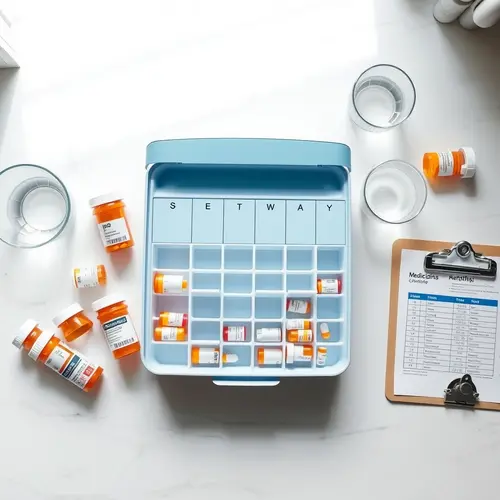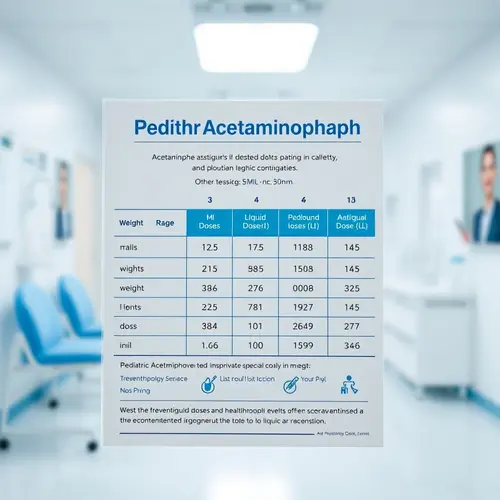
The prescription label often enters daily life quietly on a small bottle. A folded paper bag. A name that is difficult to pronounce. In moments of illness or recovery, most people focus on relief, not instructions. Yet hidden in plain sight is one of the most powerful tools for everyday safety—the prescription label.
Related: medications for depression emotional balance and type of medication insights.
That compact block of text carries more than directions. It carries timing, dosage, warnings, interactions, and intent. When misunderstood or overlooked, even the most beneficial medication can become ineffective or risky. When read with clarity, the label becomes a silent partner in healing.
This guide begins where confidence starts: with understanding.
Why That Small Sticker Deserves Your Full Attention
The Overlooked Language of Care
A prescription label is written in clinical shorthand, designed for precision rather than warmth. Abbreviations replace sentences. Numbers replace explanations. For many people, this creates hesitation—an assumption that understanding is optional or reserved for professionals.
In reality, the prescription-label is meant to be read, interpreted, and followed by everyday individuals. It bridges the gap between medical intention and daily action.
A Simple Comparison That Changes Perspective
Think of medication like a powerful tool.
-
The medication itself is the engine.
-
It is the instruction manual.
Using one without the other invites uncertainty.
Feeling Calm, Capable, and In Control of Your Health
Understanding the Prescription Label Builds Daily Confidence
Confidence does not come from memorization. It comes from recognition. When each section of the prescription label feels familiar, medication routines become calmer and safer.
What the Prescription Label Is Designed to Communicate
Every prescription-label contains core elements that work together:
-
Patient identification
-
Medication name and strength
-
Dosage instructions
-
Timing and frequency
-
Special precautions
When read as a complete message rather than fragmented lines, the prescription label reveals its full protective purpose.
Example: Clarity vs. Confusion
Without understanding:
-
“Take twice daily” feels vague.
-
“With food” feels optional.
-
Warnings blend into background noise.
With understanding:
-
The prescription-label becomes a clear schedule.
-
Instructions align with daily habits.
-
Safety becomes intentional, not accidental.
Label Basics Explained Simply
Names That Matter More Than They Seem
A prescription-label often lists both a brand name and a generic name. Recognizing this prevents accidental duplication—one of the most common medication errors.
Dosage Is Not a Suggestion
Numbers on a prescription-label are precise by design. Taking more does not mean faster healing. Taking less does not mean gentler care. The prescription-label exists to balance effectiveness and safety.
Timing Is a Form of Treatment
Morning versus evening. With meals or without. These distinctions on the prescription-label influence absorption, effectiveness, and side effects.
Why Reading the Prescription Label Changes Outcomes
The Daily Safety Anchor in Your Cabinet
When medication becomes routine, attention often fades. Ironically, this is when mistakes occur. Revisiting the prescription label regularly restores awareness.
Real-Life Contrast
Ignoring the prescription-label can lead to:
-
Missed doses
-
Accidental overdosing
-
Reduced effectiveness
Following the prescription-label supports:
-
Consistent results
-
Fewer side effects
-
Greater peace of mind
Comparisons That Clarify Value
Such guidance is not like a suggestion on a recipe card. It is more like a navigation system. Small deviations can lead far off course.
Label Warnings: Not Fear, But Protection
Understanding Cautionary Language
Words like “avoid,” “do not,” and “consult” appear frequently on a prescription-label. These are not legal formalities. They are protective boundaries based on observed outcomes.
Interactions Matter More Than Expected
It may warn about alcohol, supplements, or other medications. These interactions are often invisible until harm occurs. Reading the prescription-label prevents silent conflicts inside the body.
Building Trust Through Familiar Labels
Why Repetition Creates Safety
Reading the prescription-label once is helpful. Reading it regularly builds fluency. Over time, the language becomes less intimidating and more reassuring.
For Families and Caregivers
When supporting children or older adults, it becomes even more essential. It ensures continuity of care across different hands and routines.
Turning Awareness into Everyday Protection
Making Label Checks Part of a Health-Conscious Habit
Medication safety does not require medical training. It requires attention, consistency, and respect for detail. The prescription-label offers all the guidance needed—quietly, reliably, and without judgment.
Reading it fully. Revisiting it often. Asking questions when clarity fades.
These simple actions transform the prescription label from overlooked packaging into an active safeguard.
Because health decisions do not always announce their importance.
Sometimes, they sit quietly on a small label—waiting to be read.
Reading Together With Family
Make label reading a shared habit. Walk through each section with the person taking the medicine, point to dosing times, and agree on warning signs together. Keep a magnifier near the cabinet, store bottles upright, and review the label again whenever a refill looks different.
When to Call for Help Fast
Some signs never wait. Sudden rash, swelling, breathing trouble, or confusion after a dose need urgent care at once. Keep emergency numbers on the fridge, bring every bottle to the visit, and describe timing plainly so help arrives quicker.
Storing Bottles the Safe Way
Good storage keeps labels honest. Keep bottles in original containers, away from heat and damp, and out of reach of young visitors. Check expiry each season, return old products to take-back programs, and never share doses between family members. Photograph each new bottle for your records, keep a current list in your wallet, and review everything with your pharmacist once a year. Small steps today prevent big scares tomorrow.
How should patients read a new drug label?
Start at the top for name and strength, then follow dosing times and warnings in order. Note food rules, storage tips, and expiry, and ask a pharmacist about unclear lines.
What label details prevent common dosing errors?
Confirm the active ingredient, strength, and timing before each dose. Use the included measuring tool, track times on paper, and compare refills against the prior bottle.
Where is trusted drug labeling information found?
Begin with DailyMed labeling and the printed package insert. Pharmacists plus prescriber notes add personal guidance for age, other products, and daily routines.