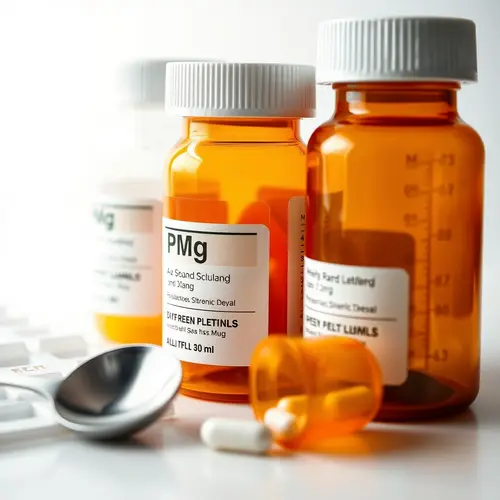
Understanding Drug Form is fundamental to effective medication therapy and patient safety. The physical form in which a medication is manufactured and administered directly impacts its absorption rate, bioavailability, onset of action, and therapeutic effectiveness. Whether you’re a patient managing chronic conditions or a caregiver coordinating treatment plans, knowing how different pharmaceutical formulations work can significantly improve health outcomes.
What Is Drug Form and Why It Matters
Drug Form refers to the physical state and delivery mechanism through which active pharmaceutical ingredients are prepared for administration. This encompasses everything from traditional tablets and capsules to advanced transdermal patches and injectable suspensions.
The selection of an appropriate drug formulation is not arbitrary. According to guidelines from the Food and Drug Administration (FDA), drug form directly influences pharmacokinetic parameters including absorption, distribution, metabolism, and elimination. A medication’s therapeutic success depends heavily on matching the correct formulation to the patient’s medical condition, physiological state, and compliance capabilities.
Different formulations serve distinct clinical purposes. Oral forms provide convenience and ease of administration. Parenteral routes bypass gastrointestinal degradation. Topical applications target localized conditions while minimizing systemic exposure.
The 7 Core Categories of Drug Form
Solid Oral Drug Form Options
Tablets represent the most widely prescribed solid dosage form. They offer precise dosing, extended shelf stability, and cost-effective manufacturing. Compressed tablets can be immediate-release or modified to control drug release over extended periods.
Capsules contain powdered or granulated medication enclosed in a gelatin or cellulose shell. Hard gelatin capsules separate into two pieces, while soft gelatin capsules are sealed units typically containing liquid or semi-solid fills. Capsules mask unpleasant tastes and allow for combination products with incompatible ingredients.
Sublingual and buccal tablets dissolve under the tongue or against the cheek, enabling rapid absorption directly into the bloodstream. This bypasses first-pass hepatic metabolism, making these forms ideal for medications requiring quick onset or those degraded by stomach acid.
Liquid and Semi-Solid Formulations
Solutions provide homogeneous mixtures where active ingredients are completely dissolved. They offer flexible dosing, especially critical in pediatric and geriatric populations requiring individualized dose adjustments.
Suspensions contain finely divided drug particles dispersed in a liquid vehicle. These require shaking before administration to ensure uniform drug distribution. Suspensions are particularly useful for poorly soluble medications or when masking bitter tastes.
Emulsions consist of immiscible liquids stabilized with emulsifying agents. Pharmaceutical emulsions can be oil-in-water or water-in-oil preparations, each offering distinct absorption characteristics and patient acceptability profiles.
Injectable Drug Form Preparations
Parenteral formulations include intravenous, intramuscular, and subcutaneous injections. These routes provide 100% bioavailability since they bypass gastrointestinal absorption barriers. According to clinical pharmacology research published by the National Institutes of Health, parenteral administration is essential for medications with poor oral bioavailability or when rapid therapeutic response is critical.
Sterility, isotonicity, and pH control are non-negotiable requirements for injectable preparations. Even minor contamination or formulation errors can result in serious adverse reactions including phlebitis, tissue necrosis, or systemic infection.
Bioavailability: The Critical Drug Form Consideration
Bioavailability measures the rate and extent to which an active drug ingredient reaches systemic circulation. Different drug forms produce dramatically different bioavailability profiles for the same active ingredient.
Oral medications face numerous absorption barriers. Stomach acid can degrade certain compounds. First-pass metabolism in the liver can significantly reduce the amount of drug reaching target tissues. Food interactions may enhance or inhibit absorption depending on the medication’s chemical properties.
Modified-release formulations use specialized coatings or matrix systems to control drug release. Extended-release tablets maintain therapeutic drug levels over 12-24 hours, reducing dosing frequency and improving patient adherence. Enteric-coated tablets resist dissolution in acidic gastric fluid, protecting acid-labile drugs and preventing gastric irritation.
Comparative Analysis of Common Drug Forms
Drug Form
Onset Time
Bioavailability
Primary Advantages
Key Limitations
Immediate-Release Tablets
30-60 minutes
Variable (40-100%)
Convenient, stable, cost-effective
Requires swallowing ability, GI absorption
Capsules
20-45 minutes
Variable (50-100%)
Masks taste, combination products
More expensive than tablets
Oral Solutions
15-30 minutes
High (70-100%)
Flexible dosing, easier swallowing
Shorter shelf life, measurement variability
Sublingual Tablets
5-15 minutes
Very High (75-100%)
Rapid onset, bypasses first-pass
Limited drug selection, patient cooperation
Intravenous Injection
Immediate
100%
Complete bioavailability, precise control
Requires administration expertise, infection risk
Transdermal Patches
2-8 hours
Moderate (30-80%)
Sustained release, improved compliance
Skin irritation, limited drug candidates
Selecting the Right Drug Form: Clinical Decision Factors
Patient-Specific Considerations
Age significantly influences formulation selection. Pediatric patients often require liquid formulations due to swallowing difficulties or the need for precise weight-based dosing. Geriatric patients with dysphagia benefit from orally disintegrating tablets or liquid preparations.
Cognitive function and manual dexterity impact a patient’s ability to manage complex drug forms. Injectable medications requiring self-administration demand adequate vision, coordination, and understanding of proper technique.
Existing medical conditions modify formulation appropriateness. Patients with gastroparesis experience delayed gastric emptying, potentially compromising oral medication absorption. Those with inflammatory bowel disease may have unpredictable drug absorption from the gastrointestinal tract.
Disease State and Therapeutic Goals
Acute conditions requiring rapid symptom relief benefit from fast-acting formulations like sublingual tablets or intravenous administration. Chronic disease management typically employs extended-release preparations that maintain steady therapeutic levels while minimizing dosing frequency.
The therapeutic window—the range between minimum effective concentration and toxic concentration—influences formulation strategy. Narrow therapeutic index medications often utilize controlled-release systems to prevent dangerous peak concentrations while maintaining efficacy.
Drug Form: The Bioequivalence Misconception
A common misconception persists that generic medications in different forms are interchangeable with brand-name products simply because they contain the same active ingredient. This oversimplification can lead to therapeutic failures.
While the FDA requires generic drugs to demonstrate bioequivalence to reference products, subtle formulation differences can produce clinically significant variations in individual patients. Excipients—inactive ingredients like binders, fillers, and coatings—can affect dissolution rates, absorption patterns, and even trigger allergic reactions in sensitive individuals.
In clinical practice, switching between different manufacturers of extended-release formulations has occasionally resulted in loss of therapeutic control, particularly with medications having narrow therapeutic windows like antiepileptics or immunosuppressants. This doesn’t mean generics are inferior, but rather that Drug Form consistency matters for optimal outcomes.
Practical Application: Optimizing Drug Form Selection
Healthcare providers should evaluate multiple factors when prescribing:
Pharmacokinetic profile: Match the drug’s absorption, distribution, and elimination characteristics to the patient’s physiology
Compliance probability: Choose formulations the patient can reliably self-administer with their lifestyle and capabilities
Cost and accessibility: Consider insurance coverage and out-of-pocket expenses that might impact adherence
Drug-drug interactions: Evaluate whether the chosen form minimizes interaction potential with other medications
Monitoring requirements: Some forms necessitate more frequent therapeutic drug monitoring than others
Storage conditions: Assess whether the patient can maintain proper storage temperature and humidity
Advanced Drug Form Technologies
Pharmaceutical science continues advancing formulation technologies. Nanotechnology-based drug delivery systems can enhance solubility and bioavailability of poorly absorbed compounds. Liposomal formulations encapsulate drugs within lipid vesicles, improving tissue targeting and reducing systemic toxicity.
Implantable drug delivery systems provide continuous medication release over months or years. Subcutaneous implants and intrauterine devices exemplify this approach, particularly valuable for conditions requiring consistent therapeutic levels without patient intervention.
Personalized medicine approaches are emerging where drug formulations are customized to individual genetic profiles, metabolic capacities, and disease characteristics. Compounding pharmacies create patient-specific formulations when commercially available products don’t meet unique clinical needs.
Mastering Drug Form Knowledge for Better Health Outcomes
The physical presentation of medication is far more than a convenience factor—it’s a critical determinant of therapeutic success. Understanding how different pharmaceutical formulations affect drug absorption, bioavailability, and clinical effectiveness empowers patients and healthcare providers to make informed treatment decisions.
Optimal medication therapy requires matching the right Drug Form to the patient’s medical condition, physiological characteristics, and practical capabilities. This individualized approach, grounded in pharmacological principles and clinical evidence, maximizes therapeutic benefits while minimizing adverse effects and improving long-term adherence.
Whether managing acute symptoms or chronic diseases, recognizing that Drug Form significantly influences treatment outcomes enables more successful pharmaceutical interventions and better patient experiences throughout the healthcare journey.