Understanding child medicine safety is one of the most important responsibilities parents face when caring for sick children. Proper medication administration can mean the difference between effective treatment and serious health complications. This comprehensive guide breaks down the essential principles that healthcare providers rely on to ensure pediatric medication safety.
Why Young Patients Need Special Attention
Children are not simply small adults. Their bodies metabolize medications differently, making dosage precision absolutely critical. The liver and kidneys in developing bodies process drugs at varying rates depending on age, weight, and developmental stage.
According to the American Academy of Pediatrics, medication errors involving children occur at rates three times higher than those involving adults. The primary culprits include incorrect dosing calculations, confusion between metric and household measurements, and the use of adult formulations for pediatric patients.
Pharmacokinetics in children changes dramatically from infancy through adolescence. A six-month-old infant requires completely different dosing considerations than a five-year-old child, even when adjusted for weight.
The Five Non-Negotiable Rules for Child Medicine Safety
Rule 1: Always Use Weight-Based Dosing for Child Medicine
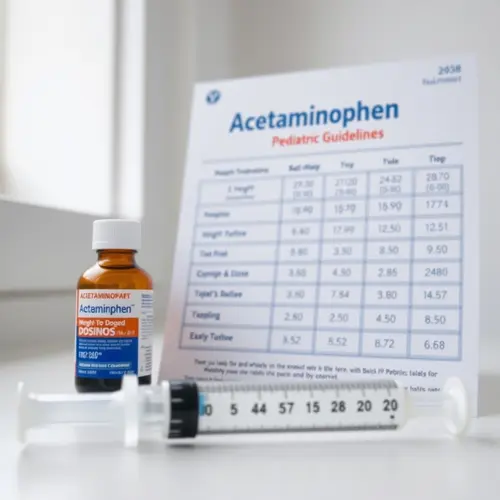
Age-based dosing charts provide general guidance, but weight-based calculations deliver precision. Most pediatric medications specify milligrams per kilogram of body weight. A child weighing 15 kilograms requires a fundamentally different dose than one weighing 25 kilograms, even if they are the same age.
Keep an accurate, updated weight record for your child.
Weights can fluctuate significantly during growth spurts, and an outdated measurement leads to improper dosing.
Rule 2: Never Use Kitchen Spoons for Liquid Medications
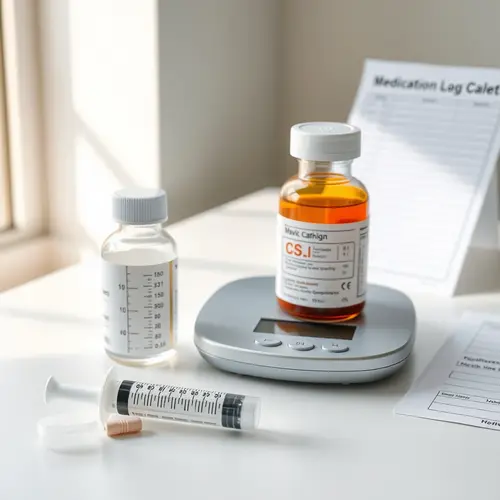
Household teaspoons and tablespoons vary wildly in volume. Medical dosing syringes and calibrated cups provide the accuracy that child medicine administration demands. Studies from the Centers for Disease Control and Prevention show that using kitchen utensils for medication can result in dosing errors exceeding 40%.
Always request a dosing syringe from your pharmacy.
These tools eliminate guesswork and reduce the risk of accidental overdose or underdose.
Rule 3: Understand Active Ingredients to Prevent Doubling
Many over-the-counter medications contain identical active ingredients under different brand names. Acetaminophen appears in pain relievers, cold medicines, and allergy formulations. Administering multiple products simultaneously can lead to dangerous cumulative doses.
Read every label carefully.
If your child takes a multi-symptom cold medicine containing acetaminophen, do not add a separate fever reducer with the same ingredient.
Rule 4: Respect Age Restrictions on Child Medicine
Age-specific warnings exist for legitimate safety reasons. Aspirin poses Reye’s syndrome risks for children under 12. Cough and cold medications carry FDA warnings against use in children under two years old due to serious adverse effects documented in clinical surveillance.
When a medication label states “consult a physician” for younger age groups, that instruction is not optional.
Pediatricians can assess whether the benefits outweigh the risks for your specific child.
Rule 5: Store Medications Properly and Out of Reach
Temperature, light exposure, and humidity affect medication stability. Most child medicine should be stored at room temperature away from bathrooms, where heat and moisture degrade active ingredients.
Childproof caps provide only partial protection.
Children can often open these containers given enough time and determination. Store all medications in locked cabinets or high shelves beyond reach.
Common Dosing Mistakes That Compromise Safety
One widespread error involves using adult medications in reduced quantities for children. This practice creates multiple hazards. Adult formulations often contain higher concentrations that cannot be accurately divided.
Extended-release tablets should never be cut or crushed, as this destroys the controlled-release mechanism and delivers the entire dose at once.
Another critical mistake is continuing antibiotics beyond the prescribed duration or stopping them too early. Both practices contribute to antibiotic resistance. Complete the full course exactly as directed, even when symptoms improve.
Mixing medications with food or beverages seems harmless but can interfere with absorption.
Some antibiotics bind to calcium in dairy products, reducing effectiveness. Always ask your pharmacist about food interactions specific to your child’s prescription.
Reading and Understanding Pediatric Labels
Prescription labels contain essential information that parents must interpret correctly. The “Sig” section provides dosing instructions, including frequency and duration. “BID” means twice daily, “TID” means three times daily, and “QID” means four times daily.
Generic names differ from brand names. Ibuprofen is the generic name for Advil and Motrin. Acetaminophen is the generic name for Tylenol. Understanding this distinction prevents accidental duplication when switching between products.
Measurement Term
Abbreviation
Equivalent Volume
Milliliter
mL
Standard liquid measurement
Teaspoon
tsp
5 mL (medical standard)
Tablespoon
tbsp
15 mL (medical standard)
Milligram
mg
Weight of active ingredient
Kilogram
kg
2.2 pounds
When to Contact Healthcare Providers Promptly
Certain situations require immediate medical consultation. If your child experiences an allergic reaction with hives, swelling, or difficulty breathing, seek emergency care immediately. These symptoms indicate potential anaphylaxis.
Persistent vomiting that prevents medication retention needs professional assessment.
Your pediatrician may recommend alternative formulations such as suppositories or adjust the treatment plan entirely.
Unexpected side effects beyond minor issues warrant discussion with your prescriber. While some medications cause predictable effects like drowsiness or mild stomach upset, severe reactions require evaluation.
Expert Perspective: The Myth of “Natural” Safety in Child Medicine
A pervasive misconception suggests that herbal or natural remedies carry no risks for children.
This belief is fundamentally flawed. Many plant-based compounds have potent pharmacological effects and can interact dangerously with conventional medications.
St. John’s Wort, commonly used for mood support, interferes with numerous prescription drugs by accelerating their metabolism.
Herbal products lack standardized dosing and quality control. The concentration of active ingredients varies significantly between batches and manufacturers.
The FDA does not regulate supplements with the same rigor applied to pharmaceutical medications. Parents should discuss any complementary treatments with pediatricians before combining them with prescribed child medicine.
Building a Safe Medication Management System
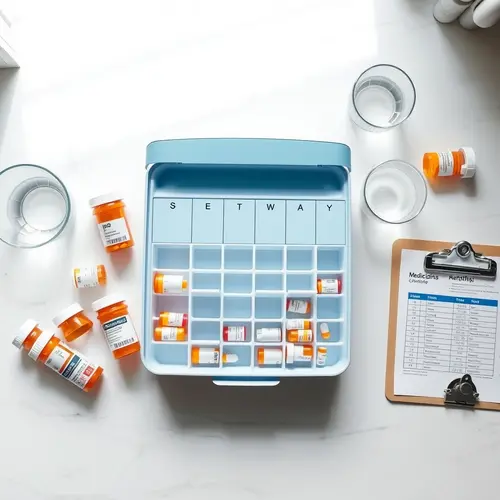
Create a medication log documenting every dose administered. Include the date, time, medication name, dose amount, and the person who gave it. This simple practice prevents accidental double-dosing when multiple caregivers are involved.
Set smartphone alarms for scheduled doses. Consistency matters, especially with antibiotics that require specific intervals to maintain therapeutic blood levels. Missing doses or spacing them irregularly reduces treatment effectiveness.
Conduct regular medication audits. Check expiration dates quarterly and dispose of expired products properly. Most pharmacies offer medication take-back programs. Never flush medications down toilets unless specific disposal instructions indicate this method.
Practical Strategies for Giving Liquid Doses
Many children resist taking medication. Effective techniques can reduce stress for both parent and child. For infants, use a dosing syringe to place liquid medication between the gum and cheek, aiming toward the back of the mouth. This placement triggers the swallowing reflex while minimizing taste exposure.
For older children, honesty works better than deception. Explain in age-appropriate terms why the medication helps them feel better. Offering a preferred drink as a chaser can help mask unpleasant tastes.
Never describe child medicine as candy. This practice creates dangerous confusion that can lead to accidental poisonings when children access medications independently.
Emergency Response for Medication Errors
If you suspect an overdose or medication error, contact Poison Control immediately at 1-800-222-1222. Keep this number programmed in your phone. Poison Control specialists provide free, confidential guidance 24 hours daily.
Have the medication container available when you call. Specialists need specific information including the active ingredient, strength, amount taken, and your child’s weight. Time matters in overdose situations, so act quickly rather than waiting to observe symptoms.
Keep all medication containers until treatment is complete
Never transfer medications to unmarked containers
Verify prescriptions with your pharmacist before leaving the pharmacy
Ask questions about anything you do not understand completely
Update your pediatrician about all medications, including over-the-counter products
Maintain an allergy list and share it with all healthcare providers
Use a single pharmacy for all prescriptions to enable interaction screening
The Bottom Line on Child Medicine Safety
Medication safety for children requires vigilance, accurate information, and consistent practices. The stakes are high, but the principles are straightforward. Weight-based dosing, proper measuring tools, ingredient awareness, age-appropriate products, and secure storage form the foundation of safe child medicine use.
Partner with your healthcare team. Pharmacists and pediatricians are essential resources who can clarify instructions, explain interactions, and provide guidance tailored to your child’s specific needs. Taking the time to understand these principles protects your child and ensures medications work as intended.
Quick Comparison of Measuring Tools
Tool
Accuracy
Use
Syringe
Best
Liquids
Cup
OK
Older kids
Spoon
Poor
Never
Who This Parenting Guide Fits
Parents of toddlers through school-age kids fit best. Post the five rules on the fridge.
Verdict: Syringe, Light, Log
For child medicine safety, measure with a syringe under good light and log each dose. Safe child medicine habits beat rushed guesses.