Chemist labels turn a quiet moment in a pharmacy aisle from confusing to clear. A quiet moment in a pharmacy aisle can feel unexpectedly overwhelming. Shelves are lined with promises—relief, protection, balance, vitality. Bottles and boxes appear reassuring at first glance, yet the fine print tells a deeper story. Ingredients, concentrations, warnings, symbols. This is where chemist labels quietly step in as guardians of clarity.
Related: medical chart label for safer treatment and the ultimate medication administration.
Most health decisions are not made in hospitals or clinics. They are made at home. In stores. In moments of trust. Understanding drug labels is no longer a technical skill reserved for professionals—it is a modern life competency. One that protects families, empowers individuals, and transforms uncertainty into informed calm.
Why Chemist Labels Matter More Than Ever
Health products today are more accessible than at any time in history. Supplements, topical treatments, over-the-counter remedies, and wellness formulations all promise benefits. Yet accessibility without understanding creates risk. This is precisely why clear labels exist—not to complicate, but to translate science into safety.
The Language of Safety and Science
At first glance, drug labels may appear dense or overly formal. In reality, they are structured narratives. Each section serves a purpose:
-
Active ingredients communicate function
-
Concentrations signal potency
-
Usage instructions define boundaries
-
Warnings protect against misuse
Without regulated labels, consumers would rely on marketing alone. With them, decisions become grounded in evidence rather than assumption.
A Simple Comparison That Changes Perspective
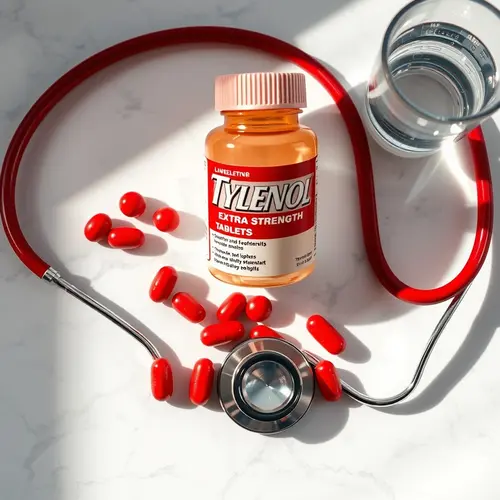
Consider two similar pain-relief products. Their packaging looks nearly identical. One contains a higher active compound concentration. The other includes an additional compound that interacts with common medications.
Only regulated labels reveal this distinction.
What seems like a small detail can mean the difference between relief and risk.
How Chemist Labels Create Safer Health Decisions
Safety is rarely dramatic. It is built quietly through information, consistency, and transparency. Clear labels act as a bridge between laboratory precision and everyday use.
Reading Beyond the Brand Name
Brand familiarity often creates emotional trust. Yet clear labels encourage rational trust. They invite the reader to look past branding and into formulation integrity.
Example:
-
Brand-focused choice: familiar name, vague promise
-
Label-informed choice: verified dosage, clear contraindications
This shift in perspective transforms purchasing behavior from reactive to intentional.
Dosage: Where Precision Protects the Body
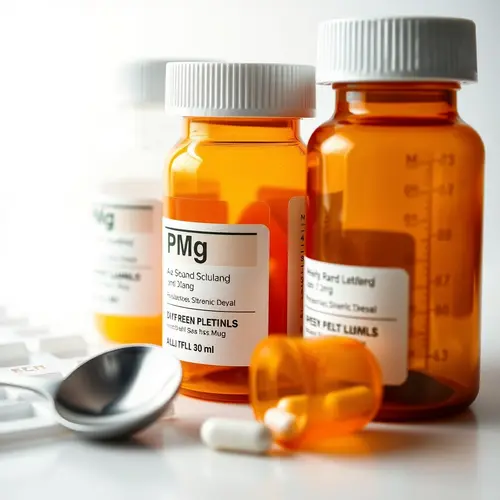
One of the most critical roles of the label is dosage guidance. More does not mean better. Less does not mean ineffective. The body responds to thresholds, not assumptions.
Clear dosage instructions prevent cumulative exposure and reduce the likelihood of adverse effects—especially when products are used daily.
Understanding Labels in Everyday Products
Not all DailyMed drug labeling database products are equal, and clear labels reveal why.
Supplements vs. Medications
Supplements often appear gentler, but their effects are still biochemical. Clear labels clarify whether a product is standardized, concentrated, or combined with other compounds.
Comparison:
-
Supplement without detailed labeling: ambiguous strength
-
Supplement with full chemist labels: transparent sourcing and dosage
Clarity reduces misuse and builds long-term trust.
Skincare and Topical Products
Skin absorbs more than many realize. Chemist labels on creams, ointments, and serums identify active agents, preservatives, and potential irritants. This is particularly important for sensitive skin or chronic conditions.
Choosing products guided by pharmacy labels supports both effectiveness and safety.
Confidence That Comes From Knowing, Not Guessing
There is a distinct emotional shift that occurs when health choices feel informed. Anxiety softens. Doubt fades. Chemist labels provide this reassurance quietly, consistently, and without judgment.
Empowerment Through Familiarity
The more often drug labels are read, the more intuitive they become. Terms that once felt intimidating begin to feel familiar. Concentrations make sense. Warnings feel protective, not alarming.
This familiarity creates autonomy.
A Trustworthy Filter in a Crowded Market
Health trends rise and fall quickly. Claims evolve. Marketing adapts. Chemist label remain stable anchors of truth. They do not exaggerate. They document.
Relying on chemist label filters out noise and centers decisions on verifiable data.
Why a Label Habit Supports Long-Term Wellness
Wellness is not built through isolated choices. It is cumulative. Daily decisions compound quietly over time. Chemist label support this process by encouraging consistency and awareness.
Preventing Accidental Overexposure
Using multiple products with overlapping ingredients is common. Pain relievers, cold medicines, and supplements may share active compounds. Chemist label help identify these overlaps before they become problematic.
This awareness prevents unintended strain on the body.
Supporting Vulnerable Populations
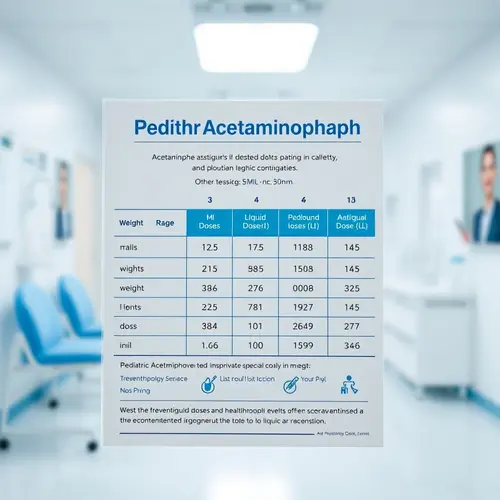
Children, older adults, and individuals with chronic conditions benefit most from accurate labeling. Chemist-labels provide essential guidance for caregivers and families navigating complex needs.
Clear instructions reduce error and build peace of mind.
Real-Life Scenarios Where Labels Make a Difference
-
A parent choosing fever relief for a child
-
An adult managing multiple supplements
-
A patient avoiding ingredient interactions
In each case, chemist-labels act as quiet protectors.
Begin Reading With Intention Today
The next time a health product is picked up, pause. Turn the package around. Read the chemist-labels slowly. Notice how much clarity is already there.
No dramatic change is required. Just awareness.
Start with one product. One label. One informed choice.
Over time, this habit becomes instinct. Health decisions feel lighter. Confidence replaces uncertainty. And safety becomes a natural part of everyday life.
Knowledge as a Form of Care
Health care does not begin with treatment. It begins with understanding. Chemist-labels are one of the most accessible tools available for protecting well-being, yet they are often overlooked.
By choosing to read them, trust shifts from assumption to evidence. From marketing to meaning. From confusion to calm.
And in that shift, safer, smarter health choices become not just possible—but natural.
What is the most important part of a label?
Start with active ingredients and strength, then dose, warnings, and expiry. If any of these are unclear, ask the pharmacist before buying.
How do I compare two similar products?
Match active ingredients milligram for milligram, then check inactive fillers and certifications. The cheaper option wins only when labels truly match.
When should I ask the pharmacist?
Ask about interactions, dosing for children or pregnancy, and proper storage. Bring your current medicine list to every consultation.