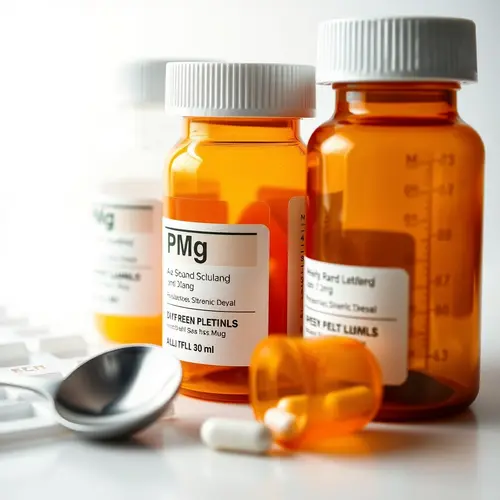
Medication administration is the high-stakes art of healthcare, a quiet yet commanding practice that happens hundreds of thousands of times each day—Medication Administration. While it might seem routine to some, in truth, it is a deeply technical, safety-critical process that demands not just knowledge, but attention, empathy, and unshakable precision. Whether it’s an oral tablet, IV drip, subcutaneous injection, or transdermal patch, the way medications are delivered can mean the difference between healing and harm.
When done right, Medication Administration becomes more than a task. It becomes a form of advocacy. A lifeline. A sacred trust between the caregiver and the patient. But excellence in this realm doesn’t happen by chance—it is forged through education, mindfulness, and the relentless pursuit of detail.
Raising the Standard: Why Accuracy Matters Now More Than Ever
Consider this: a minor miscalculation in dose, timing, or route can result in life-altering consequences. Medication errors are among the leading causes of preventable harm in healthcare settings worldwide. This makes Medication Administration not just a clinical responsibility, but a moral imperative.
Every dose is a commitment. Every label, a contract. Every confirmation, a potential safeguard.
Healthcare professionals, especially nurses, pharmacists, and medical assistants, are the frontline defenders against drug-related errors. And the foundation of their defense is mastery. True mastery. The kind that comes from understanding every variable—patient physiology, pharmacokinetics, contraindications, and most importantly, the human condition.
The Core of Clinical Competence: Understanding Medication Administration
At its essence, Medication Administration refers to the preparation, delivery, and documentation of medicinal substances to patients. But that definition barely scratches the surface. The process includes verifying the “Five Rights”—right patient, right medication, right dose, right route, and right time—each requiring rigorous checks and thoughtful judgment. Yet, those five are now being expanded into the “Ten Rights” in modern practice, encompassing right documentation, right evaluation, right patient education, right to refuse, and right assessment.
It’s no longer enough to know what to give. One must also know why, how, and what next.
Is this dose adjusted for renal function?
Has the patient recently eaten, and will food affect absorption?
Are there interactions with other medications?
Is the route selected optimal for this patient’s current condition?
Each question represents a moment of vigilance. And each answer can change a patient’s outcome.
The Human Side of Dosage
Beneath the pharmacological formulas lies something more delicate—the human element. A child afraid of needles. An elderly patient struggling with swallowing. A patient on multiple therapies with cognitive impairments. Medication Administration in the English language of clinical care includes not just terminology and measurements, but empathy, communication, and rapport.
Excellence in drug administration also means educating the patient: What is this medication? What should they expect? What are the side effects? How should they take it at home? These are not peripheral concerns—they are central to medication adherence and safety.
It is here that technical proficiency intersects with compassion. The medication may be the tool, but the nurse or caregiver is the bridge.
Technology and Safety: Allies in Administration
With rising complexity in drug therapies, technology has stepped in as a valuable ally. Barcode scanning, smart pumps, electronic medication records, and AI-assisted dosage calculators have all enhanced the reliability of Medication Administration. But no system is foolproof without human oversight.
Technology can guide, but only skilled professionals can interpret.
This is why consistent training, protocol adherence, and critical thinking remain irreplaceable. They are the bedrock of safety—especially when anomalies arise, when machines glitch, or when judgment calls must be made in the moment.
Toward Mastery: Building Confidence and Competence
Achieving excellence in Medication Administration is a journey, not a checkbox. It starts with foundational education—learning drug classifications, routes of administration, physiological effects. But it matures through real-world application, mentorship, reflective practice, and lifelong learning.
Simulation labs. Peer review. Pharmacology refreshers. Root cause analysis after near-misses. These are the practices that shape not just better clinicians, but safer, more reliable systems of care.
Mastery doesn’t mean perfection—it means unwavering commitment to improvement.
The Ripple Effect of Getting It Right
When Medication Administration is performed with care and accuracy, the ripple effect is profound. Patient outcomes improve. Hospital stays shorten. Complications reduce. Trust is built. And perhaps most importantly, the professional delivering that medication walks away with confidence in their role and pride in their practice.
This is how excellence grows—not from grand gestures, but from consistent acts of diligence.
Action Begins Here: Embrace the Responsibility, Own the Excellence
So, whether you’re just starting in healthcare or you’re a seasoned professional, let this be a reminder: every dose matters. Every step in the Medication Administration process is an opportunity to protect, to heal, and to lead with purpose.
Excellence isn’t reserved for the exceptional—it is the result of habits, systems, and heart. Precision, care, and compassion must guide every decision, every confirmation, and every delivery.
The future of safe, compassionate healthcare is in the hands of those who choose to honor the power of safe drug administration—dose by dose, day by day.
Let that be your commitment. Let that be your legacy.
A Bedside Safety Checklist
Before each dose, verify the five rights, scan orders for recent changes, and confirm allergies aloud. Document at once, watch for early reactions, and teach one take-home point the patient can repeat back clearly.
How can nurses improve drug administration accuracy?
Follow the five rights on every dose, confirm recent order changes, and verify allergies aloud. Document right away, monitor early reactions, and use read-back for verbal orders.
What should patients be taught about their doses?
Explain the purpose, timing, and common effects in plain words. Share what to do after a missed dose, which signs need a call, and how to store each product safely at home.
Where is trusted dosing guidance found?
Start with FDA patient medication resources and package labeling. Facility protocols plus pharmacist review add current, setting-specific safeguards for daily practice.