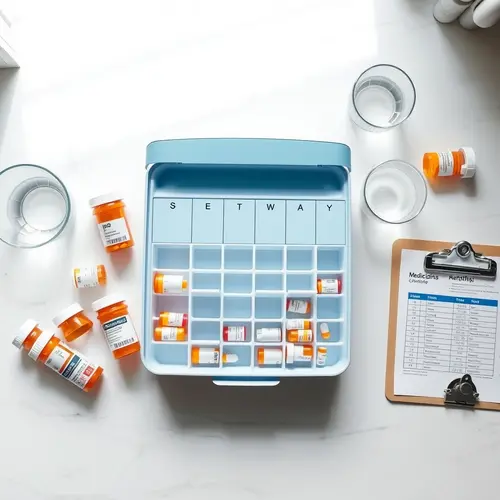
Simple medication instructions matter most where health is viewed through prescriptions, procedures, and progress, yet one vital aspect of recovery often gets overshadowed: Medication Instructions. These seemingly small details—those lines printed on labels or softly spoken by your pharmacist—carry a silent power. They guide, protect, and ensure the medicines you take fulfill their purpose. And yet, millions ignore or misinterpret them daily.
Related: medication administration and drug concentration insights.
Let that sink in.
You could be holding the most advanced medication in your hand, prescribed with care, manufactured with precision—but without the right simple medication instructions, its effectiveness could be diminished, delayed, or even dangerous.
The Quiet Hero of Your Recovery Journey
Think about this: Have you ever taken an antibiotic without finishing the full course? Or popped a pill on an empty stomach that should’ve been taken with food? Or maybe you took two doses too close together because you forgot the last one?
These might seem like minor missteps, but they can lead to drug resistance, reduced absorption, or harmful side effects. That’s where Medication Instructions come in—not as restrictions, but as a form of support, like a gentle hand guiding you toward faster, safer recovery.
Simple medication instructions are more than just rules. They are personalized blueprints. They contain vital guidance on when to take your medication, how to take it, what to avoid, and what to expect. They connect your body to the intended action of the drug, ensuring that your healing is not just hopeful—but optimal.
Little Details, Big Impact
Whether you’re managing a chronic condition, recovering from surgery, or battling a seasonal infection, the outcome doesn’t rely solely on the drug prescribed—it relies on how you take it. Let’s examine why following Medication Instructions with precision matters more than you think:
-
Timing is everything. Some medications must be taken at specific times to align with your body’s natural rhythms or to prevent harmful interactions with other drugs.
-
Dosage isn’t negotiable. Taking more or less than prescribed can either weaken the drug’s effect or increase the risk of toxicity.
-
Food matters. Certain simple medication instructions specify fasting or food intake because meals can drastically change how a drug is absorbed.
-
Consistency ensures stability. Skipping doses or irregular schedules can lead to fluctuations in blood levels, making your medication less effective.
These aren’t mere guidelines. They are your best ally in the pursuit of better health.
Simple Medication Instructions: Empowering Through Clarity
Understanding Medication Instructions also helps you become a more engaged patient. When you know why you should or shouldn’t combine a particular drug with grapefruit juice—or why you need to shake that suspension bottle before each use—you feel more in control of your treatment. That confidence brings peace of mind and fosters compliance, leading to better outcomes.
Here are examples of key elements often found in Medication Instructions:
-
Route of administration: Oral, topical, sublingual, inhaled, or injectable.
-
Frequency: Once daily, twice daily, every 8 hours, etc.
-
Duration: Complete the course—even if you feel better.
-
Storage guidelines: Refrigerate, keep away from sunlight, or store in a dry place.
-
Special considerations: Avoid alcohol, stay hydrated, or do not drive.
Each instruction is carefully crafted based on pharmacokinetics (how your body handles the drug) and pharmacodynamics (how the drug affects your body). Following them is not about being obedient—it’s about being smart.
Compassion in Compliance
Sometimes, not following simple medication instructions isn’t due to negligence. It’s due to confusion, fear, or lack of clear communication. That’s why health professionals must take the time to explain. And patients must feel encouraged to ask.
There’s compassion in compliance. There’s healing in understanding. Imagine an elderly patient overwhelmed by multiple prescriptions, unsure of when to take what. Clear, simple medication instructions—maybe with color-coded charts or reminder apps—can make the difference between a struggling patient and a thriving one.
Let’s not underestimate the power of empathy in healthcare.
Your Health, Your Responsibility
Healing is a partnership. The doctor prescribes. The pharmacist advises. But it is you who holds the key to success. That key lies in the mindful application of your simple medication instructions.
-
Set alarms to remember doses.
-
Use pill organizers for multiple medications.
-
Read and reread the label before every dose.
-
Ask your pharmacist or doctor whenever in doubt.
-
Never assume. Always verify.
These actions aren’t burdens—they are bridges. They connect you to recovery. To relief. To your better self.
Simple Medication Instructions for Safety at Home
If there’s one takeaway, it’s this: following Medication Instructions isn’t about doing things “by the book.” It’s about protecting your well-being. It’s about maximizing the effectiveness of the medicine already in your hands. It’s about preventing harm before it happens.
So the next time you open a medicine bottle, pause.
Read.
Understand.
Commit.
Because those simple Medication Instructions could be the small hinge that swings open the door to feeling your best—faster than you ever thought possible.
Making Doses Automatic
Link each dose to a daily anchor like breakfast or bedtime. Keep bottles visible, alarms labeled, and a weekly organizer filled every Sunday. When the routine runs itself, missed doses grow rare.
Asking Better Questions
Write three questions before every visit and read the answers back. Ask what each product does, which foods to avoid, and what a missed dose needs. Clear answers beat quiet guessing every time. Keep a current list in your wallet, photograph new bottles, and review everything with your pharmacist yearly. Small steps today prevent big scares tomorrow.
How can families follow home dosing plans daily?
Link each dose to meals or bedtime, keep bottles visible, and fill a weekly organizer every Sunday. Labeled alarms plus written questions make visits clearer.
What makes home dosing routines safer?
Confirm purpose, timing, and food rules for every product. Track doses on paper, compare refills with prior bottles, and call a pharmacist about unclear lines.
Where is trusted home medication guidance found?
Start with AHRQ health-literacy resources and package labeling. Pharmacists plus prescriber notes add personal checks for age, other products, and routines.