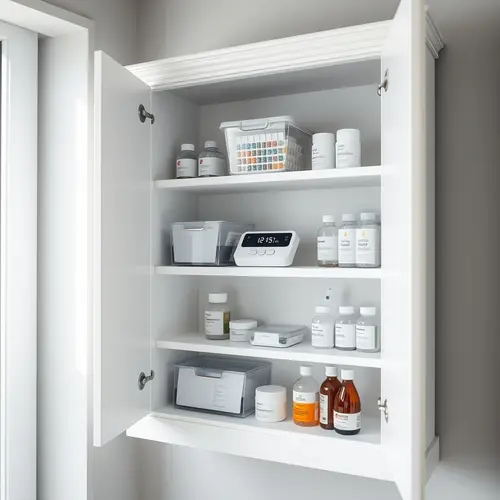
A well-stocked medicine cabinet is the first line of defense for home healthcare, providing immediate access to essential treatments and first-aid supplies. To maximize safety and utility, your medicine cabinet should be a curated collection of active medications, sterile dressings, and diagnostic tools, stored in a cool, dry environment away from humidity and children.
The Hidden Danger of Bathroom Storage
Most people default to the bathroom for their medicine cabinet placement. However, this is often a strategic error. Steam from showers and temperature fluctuations can degrade the chemical stability of many pharmaceuticals.
According to guidelines from the FDA, heat and moisture can cause medications to break down faster, rendering them less effective or entirely inert. If you insist on bathroom storage, ensure the unit is sealed or located in the driest area of the room.
Consider a dedicated linen closet or a high shelf in a bedroom. These locations offer the stability needed to maintain the shelf life of critical prescriptions and over-the-counter drugs.
Essential Inventory for Every medicine cabinet
A professional-grade medicine cabinet isn’t just about pills. It is a comprehensive health station. You need a balance of preventative care and emergency response tools.
First Aid and Wound Care
Immediate response prevents infection. Your medicine cabinet must contain sterile gauze, adhesive bandages of various sizes, and medical tape. Include an antiseptic solution or alcohol swabs for skin preparation.
Over-the-Counter Essentials
Prioritize versatility. Keep an analgesic for pain and fever, an antihistamine for allergic reactions, and an antacid for digestive distress. Always check the active ingredients to avoid duplicating medication categories.
Category
Essential Item
Primary Use
Pain/Fever
Acetaminophen/Ibuprofen
Inflammation & Pain Relief
Wound Care
Hydrocolloid Bandages
Rapid Healing & Protection
Diagnostics
Digital Thermometer
Fever Monitoring
Allergies
Diphenhydramine
Acute Allergic Reactions
Expert Opinion: The “Expiration Myth”
Many homeowners believe that an expiration date is a hard deadline for safety. In reality, most medications simply lose potency over time. However, some drugs, like liquid antibiotics or insulin, can become dangerous or completely useless after the date.
My professional advice: treat the date as a quality guarantee. If a life-saving medication is expired, replace it immediately. For general pain relievers, a slight drop in potency is common, but consistency is key for chronic condition management.
Organization and Safety Protocols
Chaos in your medicine cabinet leads to dosing errors. Use clear, labeled bins to separate “Daily Use” from “Emergency Only” items. This prevents the dangerous confusion of taking the wrong medication during a midnight fever.
Lock it up: Install a child-proof lock or mount the cabinet high on the wall.
Inventory audits: Clear out expired items every six months.
Original packaging: Keep medications in their original containers to avoid dosage confusion.
Digital Log: Maintain a list of all medications and their dosages for emergency responders.
How to Properly Dispose of Old Meds
Never flush medications down the toilet unless specifically instructed by the manufacturer. This contaminates water supplies. Instead, look for authorized take-back programs or mix pills with coffee grounds or cat litter before bagging them for the trash.
The Mayo Clinic emphasizes the importance of secure disposal to prevent accidental ingestion or drug diversion. A clean medicine cabinet is a safe medicine cabinet.
Final Checklist for Home Health Safety
Managing your home pharmacy requires discipline. By focusing on stability, organization, and regular audits, you transform a simple storage box into a reliable health asset.
Ensure your drug storage is updated, locked, and located in a temperature-controlled zone to guarantee that every dose is safe and effective when you need it most.
Room-by-Room Storage Audit Walkthrough
Audit every drug storage zone twice yearly: bathroom, kitchen, and travel kits. Move heat-sensitive tablets out of bathrooms into cool closets, since steam degrades potency fast. Log expiry dates on one card per drug storage so purges take minutes, not hours.
Disposal Calendar That Keeps Homes Safe
Mark take-back events each spring and fall for expired stock. Between events, use pharmacy drop boxes instead of trash. This rhythm keeps every drug storage current with minimal effort all year.
Who This Home Safety Guide Fits
Parents and caregivers securing homes with kids or seniors fit best. Lock every storage point, not just the main one.
Verdict: Cool, Dry, Locked
For drug storage safety, store cool, dry, and locked, then purge twice yearly. A tidy drug storage prevents most home medication scares. A well-kept medicine cabinet protects the whole household.
Seasonal Deep-Clean Routine
Each spring, pull every bottle onto a tray and wipe shelves with a damp cloth. Toss anything past date, anything unlabeled, and duplicates you never reach for. Restock only what your household actually used last year, and note the restock date on the shelf edge.
Check seals on ointments and syrups, since cracked caps let air spoil contents early. Replace missing droppers and cups from pharmacy spares rather than guessing doses with kitchen tools.
Travel Kit Checklist for Trips
Pack pain relief, bandages, allergy tablets, prescriptions in original bottles, and a thermometer in a zip pouch. Keep this pouch in carry-ons, never checked bags, and refill it the day you return home.
For road trips with kids, add fever reducers, rehydration salts, and a small first-aid card with emergency numbers. Store the pouch away from heat and sunlight during stops.
Humidity Control Basics
Bathrooms feel convenient, yet daily showers spike humidity that softens coatings and fades labels. Move daily tablets to a bedroom drawer and keep only bulky first-aid items behind bathroom mirrors. Silica packets help in coastal homes, but airflow and closed caps matter more. Label everything clearly today. Review dates every January and July.