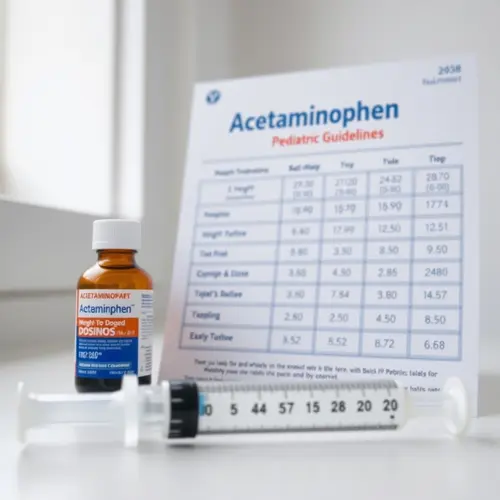
acetaminophen pediatric dosing chart
Parents and caregivers frequently search for an acetaminophen pediatric dosing chart to safely administer pain relief or fever reduction to children. The correct dose depends on the child’s weight, not age, and using an accurate reference prevents both underdosing (which leaves symptoms untreated) and overdosing (which poses serious liver toxicity risks).
Acetaminophen, also known by the brand name Tylenol, remains one of the most widely used over-the-counter medications for children. According to guidelines from the American Academy of Pediatrics, weight-based dosing provides the most accurate and safe approach for pediatric administration.
Understanding the Acetaminophen Pediatric Dosing Chart
An acetaminophen pediatric dosing chart translates a child’s weight into the appropriate milligram dose. Most liquid formulations come in 160 mg per 5 mL concentration, though infant drops may differ.
The standard dosing recommendation is 10-15 mg per kilogram of body weight every 4-6 hours. The maximum daily dose should not exceed 75 mg/kg or 4,000 mg total, whichever is lower.
Weight-Based Dosing Reference
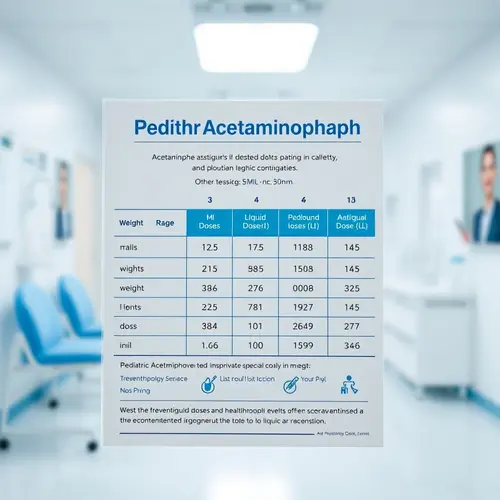
| Weight (lbs) | Weight (kg) | Dose (mg) | Liquid (160mg/5mL) |
|---|---|---|---|
| 6-11 lbs | 2.7-5 kg | 40 mg | Consult physician |
| 12-17 lbs | 5.5-7.9 kg | 80 mg | 2.5 mL |
| 18-23 lbs | 8-10.5 kg | 120 mg | 3.75 mL |
| 24-35 lbs | 10.9-15.9 kg | 160 mg | 5 mL |
| 36-47 lbs | 16.3-21.4 kg | 240 mg | 7.5 mL |
| 48-59 lbs | 21.8-26.8 kg | 320 mg | 10 mL |
| 60-71 lbs | 27.2-32.3 kg | 400 mg | 12.5 mL |
| 72-95 lbs | 32.7-43.2 kg | 480 mg | 15 mL |
Critical Safety Considerations When Using an Acetaminophen Pediatric Dosing Chart
Hepatotoxicity represents the primary danger of acetaminophen overdose. The liver metabolizes this medication, and exceeding recommended doses can cause acute liver failure, particularly in children with underlying liver conditions or those taking multiple acetaminophen-containing products simultaneously.
Many combination cold and flu medications contain acetaminophen. Always check active ingredients to avoid inadvertent double-dosing.
Common Dosing Errors to Avoid
- Using kitchen spoons instead of calibrated oral syringes or dosing cups, which leads to measurement inaccuracy
- Confusing infant concentration drops with children’s liquid suspension formulations
- Basing dose on age rather than weight, which can result in significant underdosing or overdosing
- Administering doses more frequently than every 4 hours
- Continuing acetaminophen for more than 72 hours without physician consultation
When to Reference Your Acetaminophen Pediatric Dosing Chart
Acetaminophen effectively treats fever and mild to moderate pain from various conditions including teething, immunizations, headaches, and minor injuries. It does not reduce inflammation, unlike ibuprofen.
For infants under 12 weeks old, always consult a pediatrician before administering any fever-reducing medication. Fever in this age group may indicate serious infection requiring immediate medical evaluation.
Expert Opinion: The Age Versus Weight Debate
Packaging often includes age-based recommendations alongside weight guidelines. Weight-based dosing proves more accurate because children of the same age vary significantly in size.
A five-year-old weighing 35 pounds requires a different dose than a five-year-old weighing 50 pounds. The acetaminophen pediatric dosing chart prioritizes weight to minimize the risk of therapeutic failure or toxicity.
Practical Scenario: Identifying Hidden Acetaminophen
Consider a parent treating a child’s cold symptoms with a multi-symptom cough syrup while also administering acetaminophen for fever. Many pediatric cough formulations contain 160 mg acetaminophen per 5 mL dose.
If the parent gives the recommended cough syrup dose every 4 hours and adds separate acetaminophen, the child receives double the intended amount. This scenario accounts for a significant percentage of accidental pediatric overdoses reported to poison control centers.
Always read labels completely and maintain a medication log when treating multiple symptoms simultaneously.
Storage and Expiration Guidelines
Store acetaminophen at room temperature away from moisture and heat. Expired medication may lose potency, leading to ineffective symptom relief.
Discard any discolored liquid or medication past its expiration date. The degradation products may not pose toxicity risks, but reduced efficacy defeats the purpose of administration.
Alternative Formulations and Considerations
Acetaminophen comes in multiple formulations: liquid suspensions, chewable tablets, dissolving tablets, and suppositories. Rectal administration provides an option for children experiencing vomiting, though absorption rates differ from oral routes.
Suppository dosing follows the same weight-based calculations but may require slightly higher doses due to incomplete absorption. Consult package instructions or a pharmacist for rectal dose adjustments.
Debunking the “Starve a Fever” Myth
Some caregivers withhold fever reducers believing fever “burns out” illness faster. While fever represents a natural immune response, excessively high temperatures (above 104°F or 40°C) cause discomfort and potential complications like febrile seizures in susceptible children.
The American Academy of Pediatrics emphasizes treating the child, not just the number on the thermometer. If a child with mild fever remains active and comfortable, medication may not be necessary. However, an acetaminophen pediatric dosing chart provides essential guidance when intervention becomes appropriate.
When to Seek Medical Attention
Certain situations require professional evaluation rather than relying solely on an acetaminophen pediatric dosing chart:
- Fever persisting beyond 3 days despite appropriate acetaminophen use
- Fever exceeding 104°F (40°C) rectally
- Signs of dehydration including decreased urination, dry mouth, or lethargy
- Rash accompanying fever
- Difficulty breathing or persistent vomiting
- Suspected medication overdose or accidental ingestion
Maximizing Safety with Your Acetaminophen Pediatric Dosing Chart
Keeping an updated weight measurement ensures dosing accuracy. Pediatricians measure weight at each well-child visit, but rapid growth between appointments means parents should weigh children periodically at home.
Digital bathroom scales work adequately for older children. For infants, many parents weigh themselves while holding the baby, then subtract their own weight.
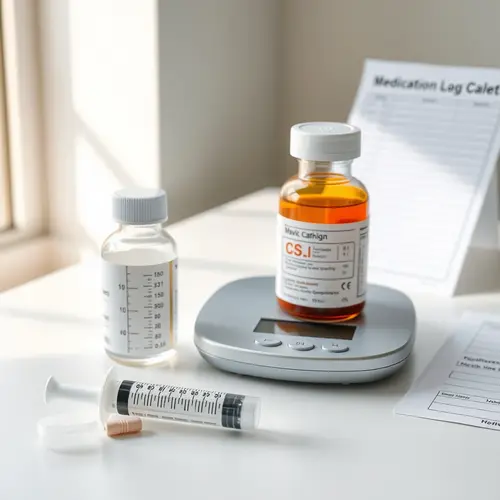
Document the date, time, and dose of each medication administration. This practice prevents accidental double-dosing when multiple caregivers share responsibilities.
Pharmacist Consultation Benefits
Pharmacists provide valuable guidance on proper dosing, potential drug interactions, and appropriate formulation selection. They can clarify confusion about concentration differences between products and recommend the most suitable option for a child’s specific needs.
This professional resource remains underutilized despite being readily accessible without appointment requirements.
An acetaminophen pediatric dosing chart serves as an indispensable tool for safe and effective symptom management in children. Weight-based dosing, careful label reading, and awareness of hidden acetaminophen sources protect against both therapeutic failure and dangerous overdose. When uncertainty arises, healthcare professionals stand ready to provide personalized guidance tailored to each child’s unique situation.
Related: powerful pharmacy bottles designed and effective dosage forms.