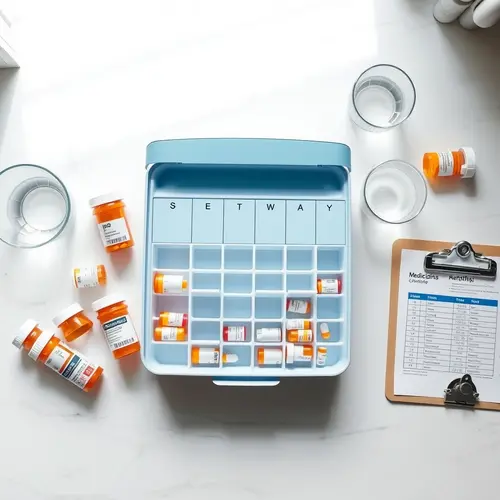
Medication Administration is not merely a procedural task. It is the point where clinical intention becomes lived reality. Where treatment plans leave paper and enter the human body. When done with clarity and care, it builds safety and confidence. When misunderstood or rushed, it introduces unnecessary risk.
This guide begins with a simple truth: patient care is only as trustworthy as the way medications are administered.
Why Safe Medication Administration Is the Backbone of Patient Safety
More Than a Technical Skill
At first glance, medication-administration appears straightforward. A name. A dose. A time. But beneath the surface lies a layered process that blends pharmacology, observation, communication, and judgment.
Every step influences outcomes. The way medication is prepared. The timing of delivery. The clarity of documentation. Together, these elements determine whether treatment supports healing or creates avoidable harm.
A Perspective-Shifting Comparison
Think of healthcare like architecture.
Diagnosis is the blueprint.
Medication selection is the material.
Medication-administration is the construction.
Without precision in execution, even the best plans falter.
Why Consistent Routines Build Trust at Every Level
Trust in healthcare does not come from complexity. It comes from consistency. From knowing that each dose is given with intention, accuracy, and respect.
The Patient’s Viewpoint
From the patient’s perspective, medication-administration is often the most tangible part of care. It is seen. It is felt. It is remembered. Clear, confident delivery reassures patients that they are in capable hands.
The Caregiver’s Confidence
For caregivers and healthcare professionals, strong medication-administration practices reduce uncertainty. They replace guesswork with structure and anxiety with assurance.
Dosing as a System, Not a Single Act
Understanding the Full Process
Safe medication administration does not begin at the bedside. It begins with verification, preparation, and understanding. Each stage supports the next, forming a continuous safety chain.
Example: Fragmented vs. Integrated Care
Fragmented care often leads to:
Missed steps
Inconsistent timing
Documentation gaps
Integrated medication-administration supports:
Clear communication
Predictable routines
Reliable outcomes
The difference is not effort—it is organization.
Clear Language and the Words That Prevent Harm
Why Clear Communication Matters
Misunderstandings rarely announce themselves. They surface later, as side effects, missed doses, or patient confusion. Safe medication administration that prioritizes clarity prevents these outcomes before they occur.
Teaching Through Transparency
When patients understand why, when, and how medication is given, adherence improves. Medication-administration becomes collaborative rather than directive.
The Emotional Impact of Getting It Right
When safe medication administration is handled well, something subtle but powerful happens. Anxiety decreases. Patients feel seen. Care feels intentional rather than mechanical.
Comparison: Rushed vs. Thoughtful Delivery
Rushed medication-administration often creates:
Patient hesitation
Increased questions
Reduced confidence
Thoughtful medication-administration fosters:
Calm interactions
Trust in treatment
Stronger therapeutic relationships
These emotional outcomes matter as much as clinical ones.
Safe Medication Administration Across Different Care Settings
Hospitals and Clinical Environments
In fast-paced settings, Medication Administration relies heavily on systems, protocols, and teamwork. Precision ensures continuity despite shift changes and high patient volume.
Home and Long-Term Care
In personal environments, medication-administration must adapt to daily routines and varying levels of health literacy. Here, simplicity and clarity become essential safety tools.
Common Challenges in Daily Dosing Routines
Complexity Without Context
Multiple medications, similar names, and varying schedules can overwhelm both patients and caregivers. Safe medication administration anticipates this complexity and reduces cognitive burden.
The Cost of Assumptions
Assuming understanding is one of the most common risks. Medication-administration that includes confirmation and repetition prevents silent errors.
Why Careful Routines Reflect Compassion
Technical accuracy matters. But compassion is what patients remember. Medication Administration delivered with patience and respect transforms routine care into meaningful support.
Small Gestures, Big Impact
Explaining a medication briefly. Checking comfort. Confirming understanding. These moments elevate medication-administration from a task to a trust-building exchange.
Most medication-related issues are preventable. Strong medication-administration systems catch small discrepancies before they escalate.
Making Safe Routines a Standard of Confidence and Care
Clear, trusted patient care is not built through urgency. It is built through intention. Through systems that support accuracy. Through communication that fosters understanding. Through medication-administration that honors both science and humanity.
Whether in professional practice or personal caregiving, prioritizing medication-administration means choosing safety, clarity, and respect—every single time.
Because the most powerful care is often the quietest. And when done well, safe medication administration becomes a foundation patients can trust without question.
A Daily Confidence Checklist
Build calm into every round. Confirm orders, check labels twice, and invite questions without rushing. Log doses at once, flag look-alike names, and close each shift with a quick peer review so nothing slips through. Keep water cups filled, lighting bright, and interruptions parked until the round ends safely.
Handing Over Care Without Gaps
Strong handoffs protect the next shift. Summarize active orders, flag high-risk products, and note pending labs in plain terms. Walk the incoming nurse through open concerns at the bedside, confirm questions are answered, and document the exchange before moving on to new tasks.
Learning From Every Near Miss
Treat near misses as free lessons. Record what almost went wrong, trace the weak step without blame, and share the fix with the team the same day. When safe medication administration stays open to review, small catches compound into lasting protection across the whole unit for everyone.
How can teams improve drug administration accuracy?
Standardize the five rights, verify order changes each shift, and read back verbal instructions. Log doses at once and review look-alike names during handoffs.
What helps patients follow dosing routines at home?
Simplify schedules, use pill organizers, and teach one warning sign per visit. Confirm understanding with teach-back and share a clear contact for urgent questions.
Where is reliable dosing safety guidance found?
Begin with MedlinePlus medication-error resources and current package labeling. Pharmacists plus unit protocols add setting-specific checks for daily work.